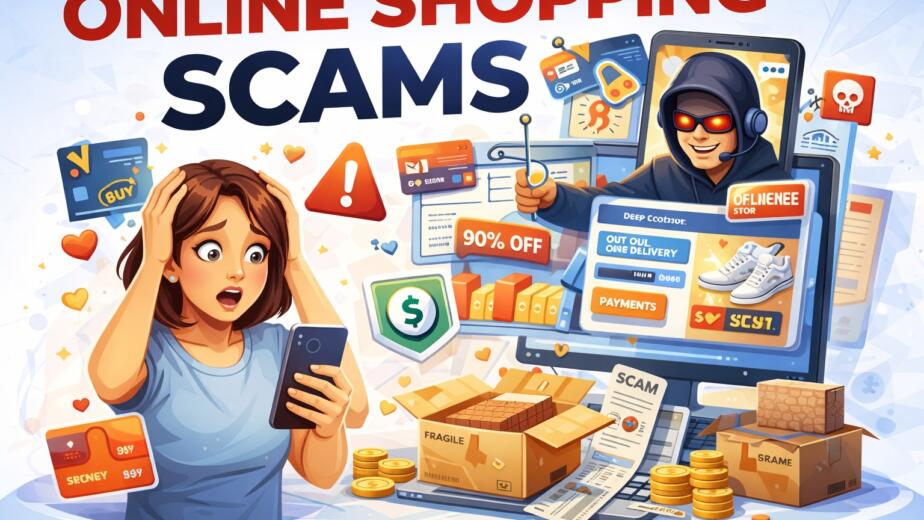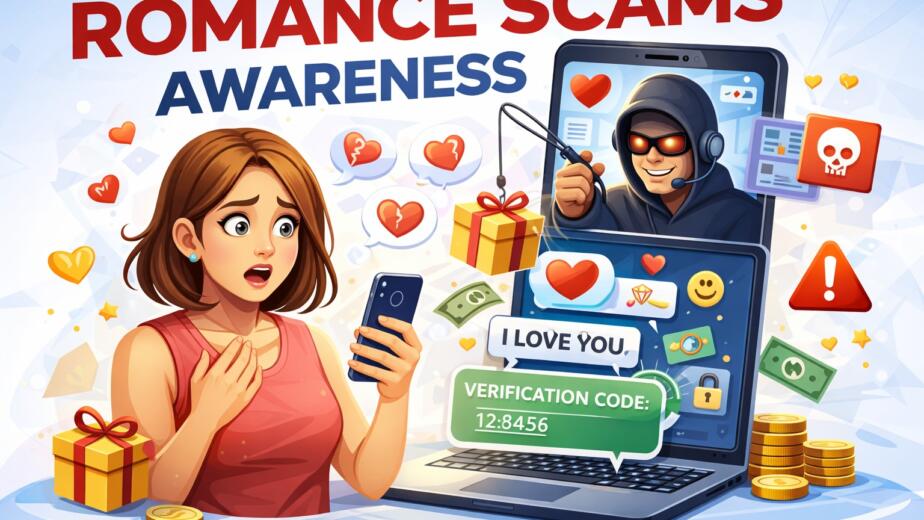
The internet has made life easier, but it has also created more opportunities for scammers. In 2026, online fraud is more advanced than ever, and many people fall victim without even realizing it. Understanding how scams work is the first step to staying safe.
Why Online Scams Are Growing
- Fear – “Your account will be blocked!”
- Greed – “You’ve won a prize!”
- Trust – “This is your bank calling…”
Common Types of Online Scams
1. Phishing Emails
Fake emails that look like they’re from trusted companies, asking you to click links or share sensitive data.
2. Fake Websites
Websites that look real but are designed to steal your login or payment details.
3. WhatsApp & Social Media Scams
Messages about jobs, emergencies, or offers that trick you into sending money or data.
4. Job Scams
Fake job offers promising high income but asking for fees or personal details.
5. Investment Fraud
Scams that promise quick profits, especially in crypto or trading platforms.
Warning Signs to Watch
- Urgency – Pressure to act immediately
- Unrealistic Offers – Deals that seem too good
- Unknown Links – Suspicious or shortened URLs
- Sensitive Data Requests – Asking for OTPs, passwords, or bank info
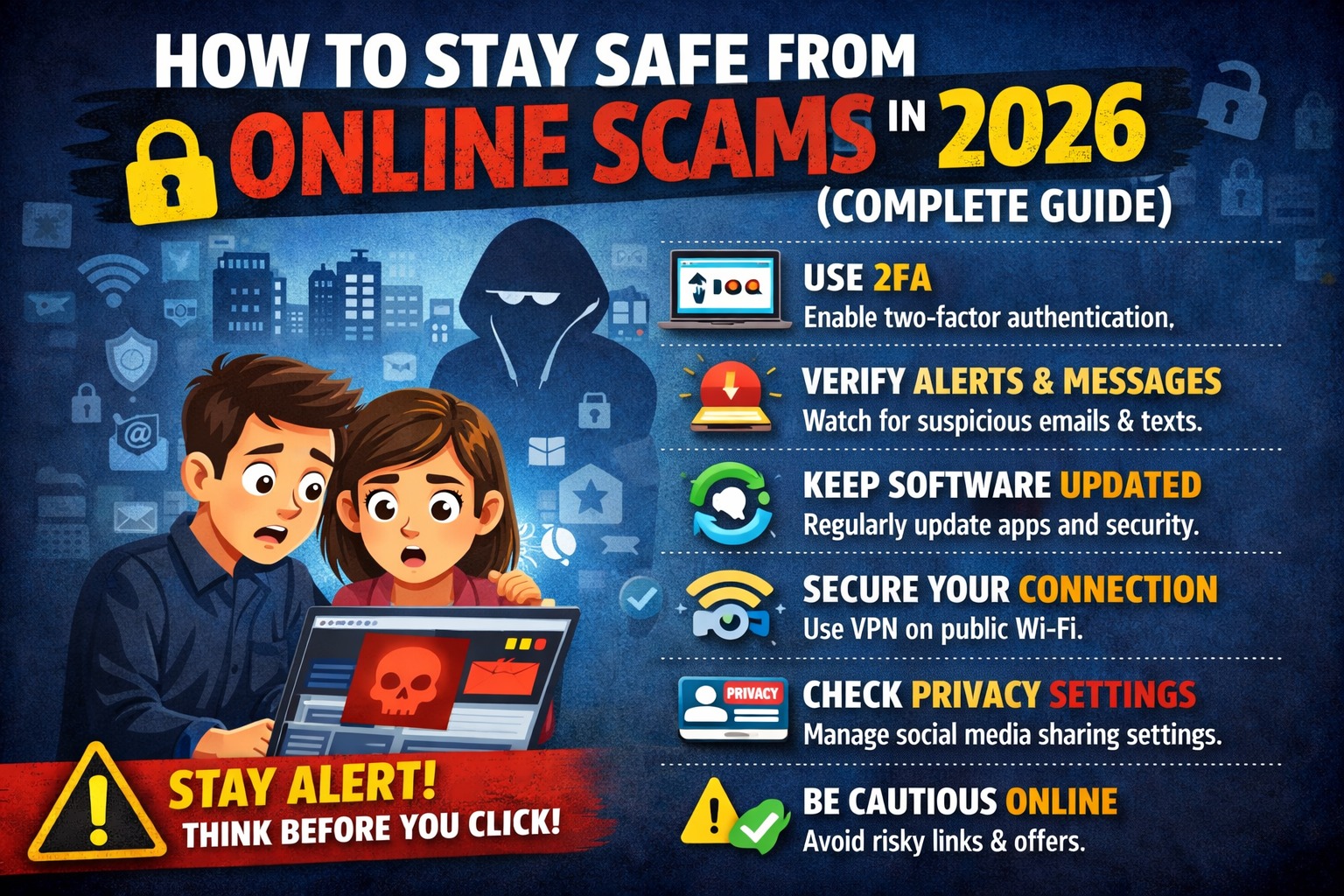
How to Stay Safe
- Verify sources before trusting any message
- Never share OTPs or passwords
- Check URLs carefully before entering details
- Avoid clicking unknown links
- Enable 2FA (Two-Factor Authentication)
- Use strong passwords and keep software updated
What to Do If You’re Scammed
- Act quickly and contact your bank
- Change all your passwords
- Report the scam to cybercrime authorities
- Inform others to prevent further damage
Final Thoughts
Online scams are becoming smarter, but awareness can keep you safe. Always take a moment to think before clicking or sharing information.
Stay alert. Stay informed. Stay protected.